

Glitz, Gaming & Giving: Family Fun Holiday Market
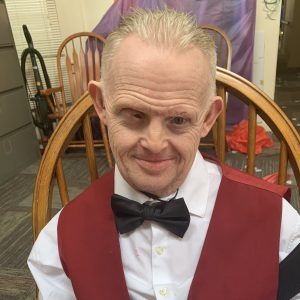
58 Year-Old Ray Hardy Advocates for Others And Leads a Meaningful Life With Down Syndrome
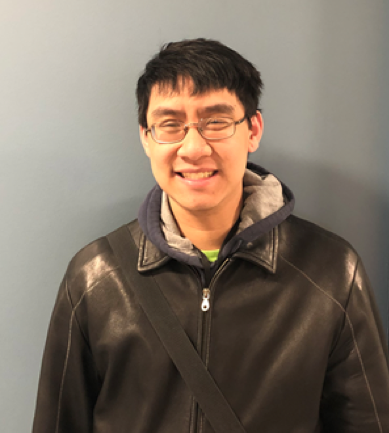
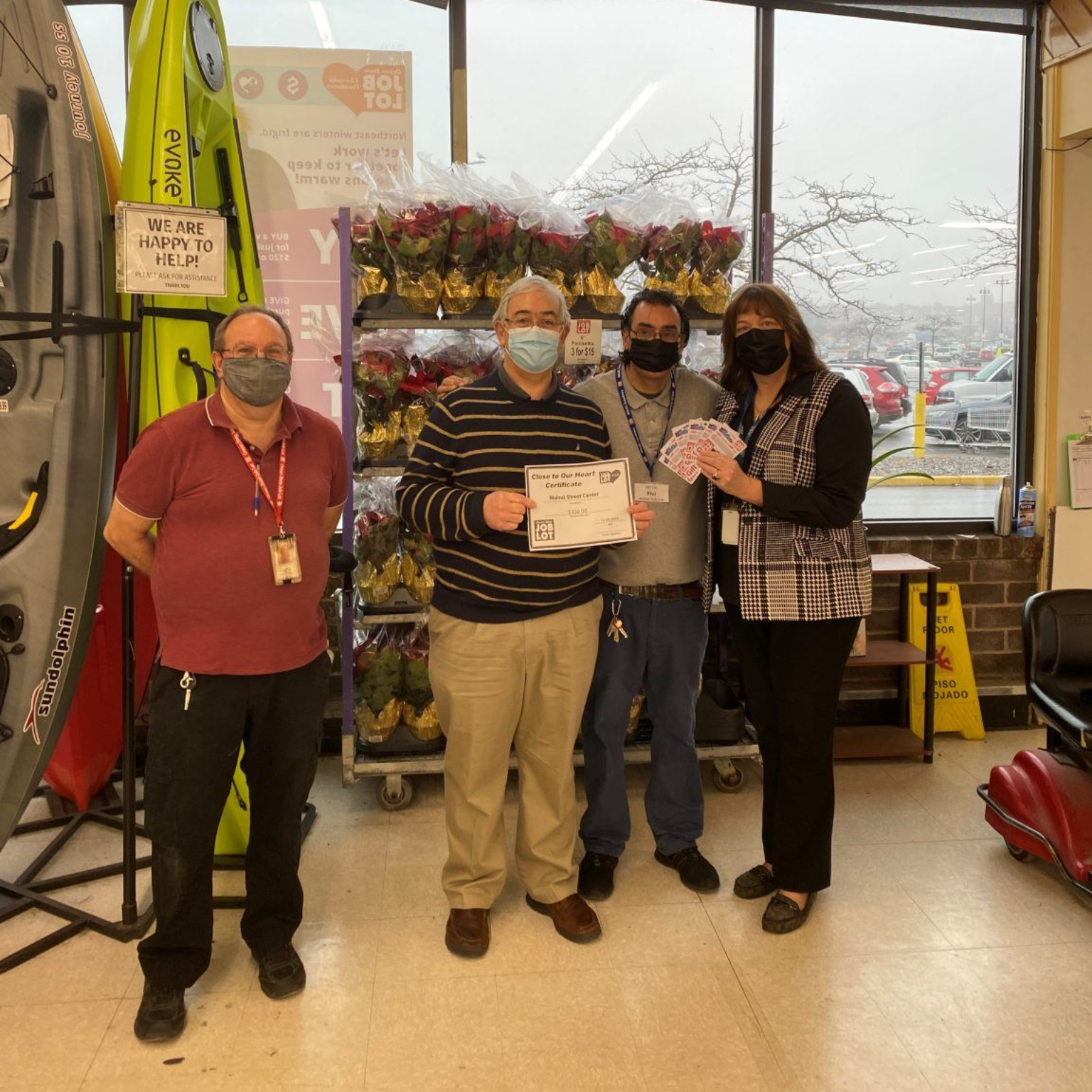
Autism Spectrum Disorder (ASD) is a developmental disability that can cause significant social, communication and behavioral challenges. It affects all racial, ethnic, and socioeconomic groups. According to the Centers for Disease Control and Prevention ’s Autism and Developmental Disabilities Monitoring (ADDM) Network, one in every 59 children has autism. World Autism Month marks an opportunity to learn about the ASD and how it impacts more than 70 million individuals around the world such as Jimmy. Jimmy is 22-years-old and lives with his family in Everett. To help with everyday challenges, he attends the Walnut Street Center’s Day Program that combines Community-Based Day and Day Habilitation services. This program provides comprehensive clinical services such as speech therapy, occupational therapy, physical therapy, and nursing support as well as opportunities to access the community. The Walnut Street Center is a non-profit organization based in Medford serving adults with intellectual disabilities in the Greater Boston area. “Autism means to me that I learn differently from others,” says Jimmy. Everyone has a style of learning that works best for them. For Jimmy, he is most successful in a one-on-one setting using visual supports rather than auditory input. Seeing visual supports such as pictures, objects, sign language or text, helps him retain and process information. It may be a reason why he has an interest in painting. Through the center, Jimmy participates in life skills, pre-vocational and educational groups in Greater Boston. He enjoys detailed work at the Perkins School for the Blind in Watertown and being with the animals at the Stone Zoo in Stoneham. “I always want to learn more,” says Jimmy. “I enjoy sharing my knowledge with others.” One of Jimmy’s great interests is history. He is curious by nature and can often be found researching historical topics online. His favorite subjects are World War II and the Samurais. The Samurais were the ruling military class in Japan and grew to become the highest-ranking social caste during the Edo Period (1603-1867). Daily routines help Jimmy learn and provide a regular rhythm. He never hesitates to hold a door open or assist someone with their bag. It is these small predictable actions that provide calm to his life. Many adults and children with ASD have difficulty making sense of everyday movements, sounds, and activities. What may sound normal or a symphony to others, may come across as white noise to those with ASD. Routines and repetition create an expected, safe, and secure environment. “I want people to know that I am a good person,” says Jimmy. “I want to meet and talk with people. And I don’t want to be treated differently.” If you know of a family or individual that may benefit from the Walnut Street Center or are merely looking for a recognized corporate sponsorship program, visit https://www.wscinc.org/ for more information.

One of the individuals that attend Walnut Street Center is Joe, whose personal story is one of hope and healing. He’s a quiet, humble man with a remarkable positive attitude. He has loved motorcycles since he was nine-years-old and his friendship with the members of the Hard Knocks Motorcycle Club runs deep. His friends visit him once a week. They cut his hair, take him to rallies or visit motorcycle shops. While his three kids ages 10-15 years don’t ride, Joe would be okay if it made them happy. “It’s just life,” he says, from a chair with his tattooed arm draped in a sling and a long brace around his leg. Joe survived life-threatening injuries from an accident on a tragic night in May 2015 while riding his Harley Davidson Road Glide motorcycle alone. The impact threw him into a fence. “I was left for dead,” he said. He suffered trauma to his neck, spinal cord, stomach, and knee, and was in a medically induced coma for three months to heal. His memories are fuzzy as he moved from two hospitals to rehab. At one point, he wore a Halo brace to hold his head and neck still so his neck bones and ligaments could heal. He then had to relearn all the self-care activities that we take for granted. “Everyday is a good day. I don’t have any bad ones,” says Joe. He visits Walnut Street Center four-days-a-week from his residential program in Billerica, where he lives with roommates. The Habilitation Program provides clients with severe head injuries with habilitative medical, and therapeutic services to help restore cognitive, physical, and speech-related functions. One of Joe’s favorite therapeutic activities is music therapy and he looks forward to working with the therapist weekly. Joe’s long-term goal is to achieve functional independence and move closer to Medford to be near his kids. Joe credits the support of his family, medical professionals, and the camaraderie of his motorcycle club for never giving up on him. Together, they gave him the power to heal and beat the odds. Even today, Joe is active with the Hard Knocks Motorcycle Club as its Enforcer upholding clubs law and collecting dues. He advises anyone to ride with a buddy, and to avoid high traffic, stop-and-go areas. Long highways like ones in Florida are his favorite.
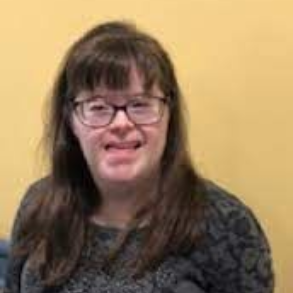
Five days a week, 25-year-old Laura Spina travels from her family home in North Reading to the Walnut Street Center, a non-profit organization-serving adults with intellectual disabilities in the Greater Boston area. Laura, who has Down Syndrome, is part of Walnut Street Center’s Hybrid Day Program that combines Community-Based Day and Day Habilitation services. This program provides comprehensive clinical services such as speech therapy, occupational therapy, physical therapy, and nursing support as well as opportunities to access the community. “Too often individuals with intellectual disabilities exhibit behaviors that others do not understand, and are excluded from opportunities that their peers enjoy,” says Executive Director Carolyne Guffey. “At the Walnut Street Center, we open the door to possibilities through clinical services, and catering to clients’ diverse interests and abilities.” Massachusetts’ Department of Developmental Services funds the Community Based Day Supports programming and MassHealth funds the Day Habilitation portion. Laura’s bubbly and thoughtful personality shines at the Walnut Street Center. Her days are full of friends and activities that help her reach personal goals. She loves to plan, fun and educational outings that allow her and her friends to practice special interests, community safety, and pre-vocational skills. Laura embodies what it means to be a true friend. She truly cares and encourages others to strive to the best of their abilities. If you know of a family or individual that may benefit from the Walnut Street Center or are simply looking for a recognized corporate sponsorship program, visit https://www.wscinc.org/ for more information.